Salty Sam’s Fun Blog for Children
Number 587
Mud Homes
Hello Everyone

My Auntie Alice made us a treat this week.
When l say we, l mean Bill, Bob, Emily and Henry and me.
When l say a treat, l mean some chocolate-covered apples with added sprinkles.
We decided to wander down to the river’s edge outside the side gate of Rose Cottage and watch the ducks swimming on the water and eat them there.
The ducks make quite a lot of noise at this time of year. Sometimes when they quack a lot, it seems as though they are laughing!
While we were sitting on the river bank and munching, Henry noticed a flash of turquoise dart across the surface of the river and we could all see that it was a kingfisher that came to rest on a small branch nearby.
lt seemed unperturbed (not worried) by our presence.
Kingfishers build their homes in mud banks by a river. They hunt for small fish like minnow, sticklebacks and dace. They wait on a branch of a tree or bush that is overhanging the water looking for prey.
They dart down to the surface of the water to pick up the fish, fly up to a perch, bash the fish’s head on a branch in order to kill it and swallow the fish whole.
Only a quarter of kingfishers survive from year to year.
ln order to survive, they must eat at least half of its body weight every day.
They are fascinating to watch and you can see them active by the river at any time of year.
Birds are constantly on the look out for food for themselves or their families – unless they are busy making nests as well which means they are extra busy.
ln Europe, surveys taken, showed that 900 million birds disappeared over the 40 years from 1980 onwards. The types of birds that disappeared were mostly the kind of birds that foraged on farm fields, either pasture land (grass) or arable land (ploughed for crops).
This was because of intensive farming methods using chemicals to kill off the kind of insects that birds eat. Starlings for example like to eat the larvae of crane flies – you may call them daddy longlegs. The food declined and so did the birds.
ln recent years though, farmers have tried to leave field margins full of plants with seeds and distribute sacks of food along hedgerows as well to help build the bird numbers up again.
Kind people feed the birds in their garden too.
But some species of bird have increased in number so much, that these garden birds take the nesting sites from other kinds of birds; either, British birds or migrating birds – especially in rural areas.
So the simple solution to this is to provide nest boxes – and a wide variety of foods as well.
You can put out food such as nyger seed, cereals and small seed mixes in winter. Different birds like different foods, so you will help lots of different species, not just a few.
You can plant seed-bearing and fruit-bearing plants in your garden.
lt is extremely important that you clean your bird feeders regularly and clear up mouldy food to help stop the spread of disease. Disease can decimate bird numbers. And take them down completely from the beginning of May to the end of October.
lf you do put up nesting boxes, make sure they are out of the reach of cats and foxes. The boxes are needed to replace a lack of hollows in old trees that would be the natural place for a bird to build a nest.
Some birds construct nests in trees as well, or in mud banks like the kingfisher, or sand banks like the sand martin, and some build their nests under the eaves of houses like house martins and swifts. These nests are constructed from mud. With changes in house construction there aren’t as many sites as there were, but you can buy artificial nests that are light and easy to attach under the eaves of your house for birds to use.
Even homes for people can be made out of mud – mixed in with straw and sometimes animal dung to make the walls more stable. This way of building houses and farm buildings is popular in many rural areas throughout the world. lt is cheap and eco-friendly.
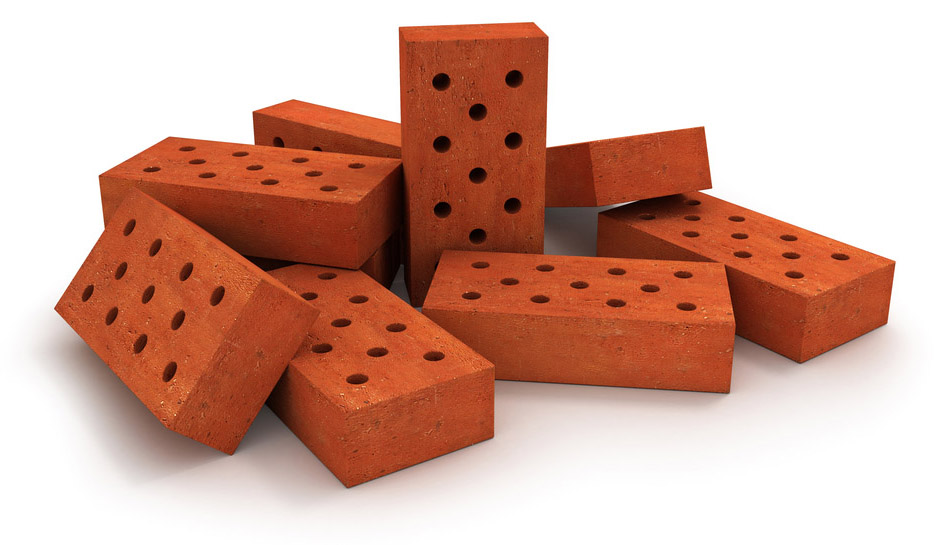
Bricks are made from earth that has been fired to make it really hard. Bricks are a hard building material strong enough to withstand high winds and heavy rain. Bricks are made all over the world.
Clay is dug up, sifted, moulded, cut into individual bricks, fired at high temperatures in a kiln, dried out for a day or two and then packaged up to be sent to building sites. This process can be done by hand or machine.
Some insects use mud to make their homes too, especially some species of solitary wasp. A solitary insect does not live in a colony.
One of the most amazing mud constructions made by a wasp is the potter heath wasp. lt makes little homes for its larvae that look like tiny pots that might have been made by a potter on a potter’s wheel.
The female wasp rolls up little balls of mud and compacts them down. She makes a collection of balloon-like, hollow structures. These structures look like storage pots. lnside, she lays her eggs. She stuns a few caterpillars and puts them into the pots before she seals them up so that when the eggs hatch, her offspring have fresh food to eat.
The potter heath wasp only lives for about 2-3 months, and in that time makes about 20 pots.
Anyway, we had a lovely afternoon watching the bird life by the river and eating our chocolate apples. lt is nice to be outside in the warm weather again.
Bye bye everyone – don’t forget to subscribe to my blog!
Love and kisses
Salty Sam

www.christina-sinclair.com
Bill and Bob’s Joke of the Week
Bob: How do you get to the top to a haunted house?
Bill: You use the scare case!
Salty Sam © Christina Sinclair 2015
Unauthorized use and/or duplication of material from this blog without express and written permission from this blog’s author and owner is strictly prohibited.
Links may be used to www.christina-sinclair.com

Picture Gallery

Indian mud homes
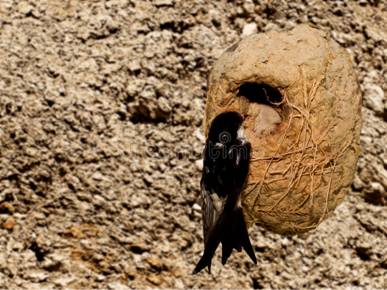
House martin mud home
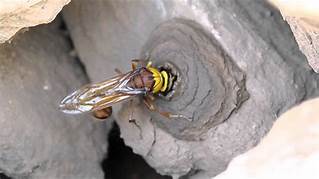
Wasp mud home
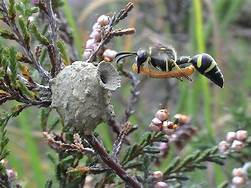
Heath Potter wasp

Made by a heath potter wasp
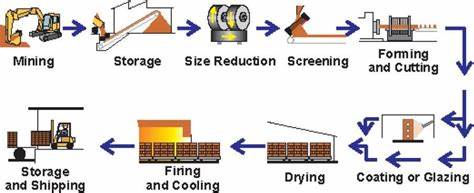
Brick-making process
 THE SALTY SAM NEWS DESK

This week, Bill, Bob, Henry and Emily got together in Emily’s back garden to write some questions for their team for the class Friday afternoon quiz next week.
Would you like to see if you can answer their questions?
- Who invented the television?
- What are the five elements?
- On which continent is Egypt?
- What is the difference between a collage and a montage?
- What is the name of the kind of animal that carries its babies in a pouch?
- What is the capital city of Portugal?
- Name a green citrus fruit?
- How many people play in a mixed doubles tennis match?
- What was the name of the dragon in The Hobbit?
- What is a fez?
- What is the name of the major mountain range running down the west side of South America?
- How many days are there in February in a leap year?
- Which bird lays the biggest egg in the world?
- Which country does paella come from?
- What is chiffon?
- How many legs does an insect have?
- What is the different between vertical and horizontal?
- What are clouds made of?
- What is Big Ben?
- Who is 007?


*********************
*********************
 Quick Quiz
What could you associate these words with?
- hand face tick
- wheel bonnet trunk
- jacket mark leaf
- peel pip stalk
- lapel pocket button
- cloak wand besom
- stern bow deck
- lather cake bath
- aerial station dial
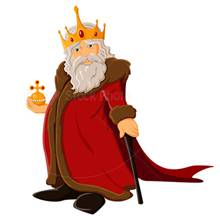
- king heart diamond

lt’s the Weekend!

HOW TO MAKE A HOME FOR A 12”DOLL
If you can’t afford a doll’s house for your 12” doll, but you have some furniture that you want to set out, here are a couple of simple ways you can make your own doll’s house, town house or apartment.
You may be able to get some shelves from a shop selling pre-loved furniture. Someone may have something suitable tucked away in a shed.
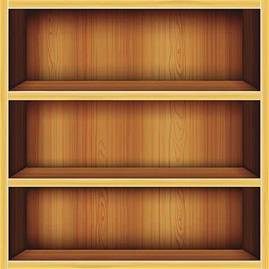
You can get wallpaper for dolls’ houses or wrapping paper with a small design to cover the walls with. Or you could use different coloured paints to mark out the different rooms.
Find some postcards or pictures and cover them with frames made with white paper. These you can position on the back walls or side walls.
Off-cuts of carpet, felt, fleece or towelling can be used as flooring.
There are patterns for rugs on this blog.

Blog post 108
Otherwise you can use two sheets of cardboard and cut slots into them in order to make a cross-shape that stands up.
Cover the walls with wallpaper first.
This apartment will have four rooms; one in each quadrant: a living room, a kitchen, a bathroom and a bedroom.

It can be put away easily when you have finished playing for the day.
Or you could use four cardboard boxes with one or two sides cut away – don’t cut right to the bottom of the box otherwise you will use the rigidity in the box.
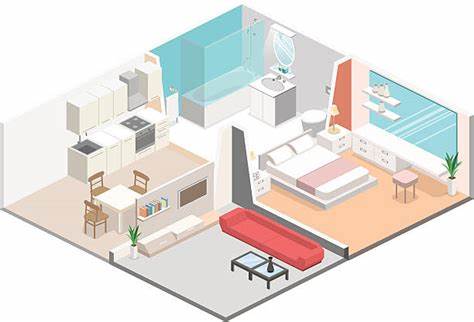
Otherwise, turn the boxes on their sides, line them up or stack them up and create rooms inside.


Please note that the material on this blog is for personal use and for use in classrooms only.
It is a copyright infringement and, therefore, illegal under international law to sell items made with these patterns.
Use of the toys and projects is at your own risk.
©Christina Sinclair Designs 2015
Answers to the News Desk Quiz
- Who invented the television? – John Logie Baird
- What are the five elements? – earth, water, fire. air, plasma
- On which continent is Egypt? – Africa
- What is the difference between a collage and a montage? – a picture made of component parts and a collection of separate pictures
- What is the name of the kind of animal that carries its babies in a pouch? – marsupial
- What is the capital city of Portugal? – Lisbon
- Name a green citrus fruit? – a lime
- How many people play in a mixed doubles tennis match? – 4
- What was the name of the dragon in The Hobbit? – Smaug
- What is a fez? – a hat
- What is the name of the major mountain range running down the west side of South America? – The Andes
- How many days are there in February in a leap year? – 29
- Which bird lays the biggest egg in the world? – ostrich
- Which country does paella come from? – Spain
- What is chiffon? – a fabric
- How many legs does an insect have? – 6
- What is the different between vertical and horizontal? – up and down/across
- What are clouds made of? – water vapour or ice
- What is Big Ben? – a large bell in the Elizabeth Tower (The Houses of Parliament)
- Who is 007? – Commander James Bond

A horizon is horizontal
Quick Quiz Answers
- clock
- car
- book
- fruit
- jacket
- witch
- boat
- soap
- radio
- cards