
Salty Sam’s Fun Blog for Children
Number 595
Lighthouse Keepers
Hello Everyone
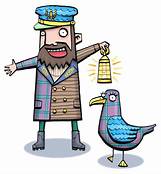
People think that since lighthouses were automated in modern times, there are no lighthouse keepers anymore.
This is not true.
But lighthouse keepers nowadays don’t tend to live in lighthouses for as long as they used to; (apart from me of course – because my lighthouse is my home). 
ln other lighthouses, men need to do maintenance on them to keep them working. And the job is still dangerous and demanding.
They might only be there for four weeks out of any year, working in stints of two weeks at a time.
And the men that stay in them to do the maintenance are now called technical managers.
The lighthouses are now called stations.
Lighthouses are very important structures. They have been around for a long time, and yet are still a vital aid to shipping. They help ships navigate and keep away from rocks above and below the surface of the water.
The bright light at the top that shines out in the darkness and fog should never go out!
At one time, men lived on lighthouses for many weeks at a time, and they were permanently manned.
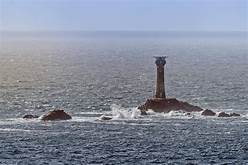
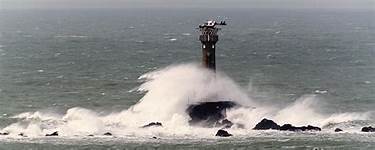
Living in a lighthouse is not like other buildings; especially a rock tower – the name given to a lighthouse way out in the middle of the sea perched on a huge rock or group of rocks. A lot of rock towers are very tall and narrow. lt is like living in a chimney, and a chimney kitted out with only the basics.
The rock towers were the least popular lighthouses to be sent to, and the stint in them paid the most because of that, in order to attract men into the job. lt wasn’t really very comfortable living.
You couldn’t just pop to the shops when you needed something either; so you had to plan what you would need down to the very last detail when you packed to go out there to live for a while.
lf you were living with people that you didn’t get on with, this was really bad news, and life would be miserable for the long duration. The men were stationed there for many weeks at a time.
But above all, you had to be very capable of looking after yourself and the lighthouse.
Keeping the light working was the top job (no pun intended there).
And you definitely needed to be a jack of all trades when it came to tending to the maintenance of the lighthouse and doing emergency repairs when anything went wrong or broke down. Everything had to be kept in good order. And needing to turn your hand to many tasks is still true of keepers today.
There was always a lot of cleaning to be done too.
Also, it was important to know how to cook well, because meals in a restricted life are the highlights of the day!
All food had to be taken to the lighthouse, but if someone was a good fisherman, there was always fresh food to be found in the seas around the lighthouse.
Men took different shifts so that there was always someone looking after the lantern and the lighthouse through the day and the night. Each shift was called a watch, which is the same word as used on a ship.
The relief (the new crew of men coming to live on the lighthouse to replace the men who had been there for a while) in the past, used to arrive by boat and were transferred onto the rock by using a Bosun’s chair hanging from a rope.
Getting onto rock towers meant getting across a large sea swell on a rope from a boat lurching up and down on large waves. The boats could not land on the rock.
This transfer was potentially very dangerous.
You could only take what you really needed to take. Everything had to be pulled across on a rope. Hobbies and pastimes were limited because of space inside the lighthouse and what you could take with you.
Keepers would read and knit and make things out of wood – maybe toys for their children back home. Hunting moths was one pastime they could have because there was a very big light to attract them.
Then television came along!
Once inside, the men were safe.
We see how well these structures were built because they are still around today, many decades later.
But in bad storms the lighthouse could shake. The sound of water could be heard rushing up the walls. The waves could crash right over the top.
lt could still feel very hairy inside!
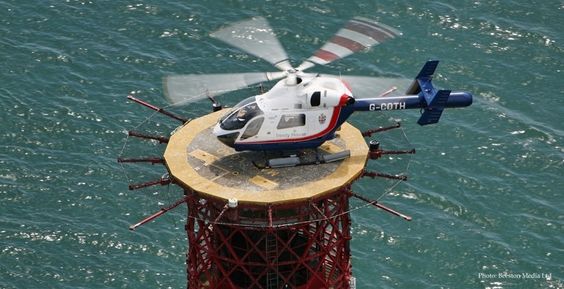
Nowadays, helicopters can be used to take crews and supplies to lighthouses. Helicopter landing pads have been built on the top of many lighthouses – or by the side if there is room like by the Fastnet Lighthouse (Blog Post 573).
These are modern additions replacing the original tops.
The pads are so small, that the helicopter pilot cannot see one from the cockpit when they get close to landing; so disks on four rods are built onto them to extend the view to help the pilot orientate himself.
Personnel and supplies can be delivered by helicopter.
There is a hatch into the lighthouse in the landing pad.
Coast lighthouses were always more comfortable to live in, and very often had buildings around them that were living quarters and storerooms. These are called shored-based lighthouses.
Women did keep some lights; it wasn’t just men who did the job.
But these lighthouses were often built at the top of cliffs, so were still pummelled by high seas and strong winds.
So if lighthouse stations are not manned for most of the year nowadays, how can they be properly controlled?
The answer is that their workings have been automated and they are all linked up to a central control at Harwich on the East coast of England. ln this way, they can be remotely observed.
lf the main light bulb at the top of the station goes out, another is turned up into its place mechanically. The first light bulb is called Main One and if there is a Main One fail – it is replaced by the light bulb called Main 2. You cannot have a black station!
The bulb may not be as big and as strong as you might think. The light from them is magnified by the optic lens.
This massive cover that revolves around the light bulb creates the flash pattern, and each flash pattern is unique to each lighthouse. Each flash pattern is different because each optic lens is manufactured to be a different shape. You can imagine; they are expensive.
The surface of each optic lens is made of a number of prisms arranged in a circular pattern. The prisms at the edges are steeper and the ones in the middle are flatter.
And knowing which flash pattern belongs to each lighthouse helps the pilot of a ship know where he is on the sea.
The optic has to be cleaned four times a year with window cleaning liquid and lots of scrubbing. Once the optic is clean, the light can shine brightly up to 16 nautical miles away – nautical miles are longer than land miles.
ln modern times, ships still crash into land – and each other. They still get wrecked, sunk and lose their cargo or even passengers.
Anything that can be done to help ships navigate properly is enormously valuable to them. Losing a ship can mean loss of life, loss of a lot of money, and can even cause terrible environmental damage if the cargo is something like oil.
Lighthouses are visual markers by day and night to help ships get their bearings in what could otherwise be a featureless landscape.
Lighthouses are part of the landscape around coastlines, and we still have over 60 of them around Britain; although some old lighthouses today have been turned into restaurants, hotels or tourist attractions.
Bye bye everyone – don’t forget to subscribe to my blog!
Love and kisses
Salty Sam

www.christina-sinclair.com
Bill and Bob’s Joke of the Week
Bill: Did you know that Uncle Harry has been doing a wood working class for two years now?
Bob: No, how is he getting on?
Bill: Not very well, so far all he’s managed to get finished is a poker.
Salty Sam © Christina Sinclair 2015
Unauthorized use and/or duplication of material from this blog without express and written permission from this blog’s author and owner is strictly prohibited.
Links may be used to www.christina-sinclair.com
Picture Gallery
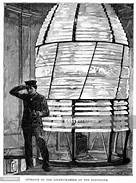
Large optic lens
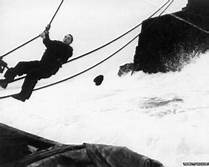
Relief transfer
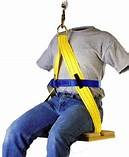
Bosun’s chair
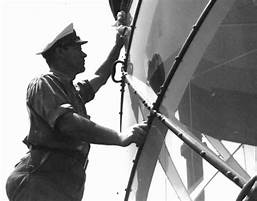
Cleaning the windows of the lantern room
Rock tower
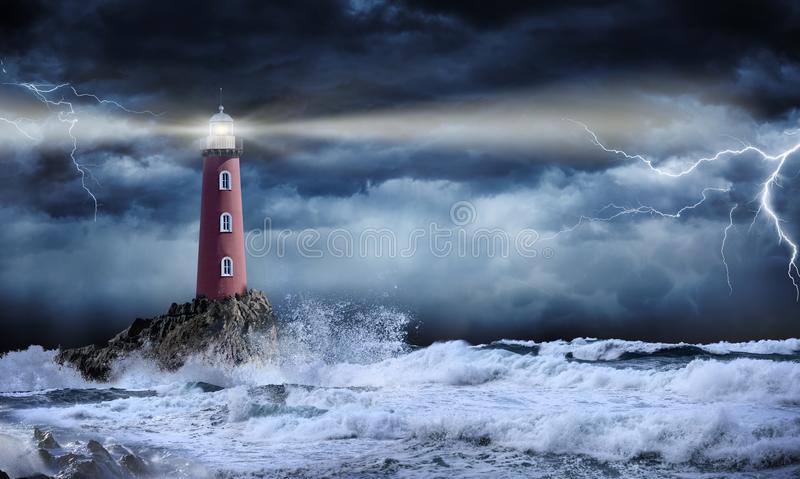
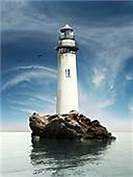
Lighthouses look romantic
but life inside could be cramped, cold and damp
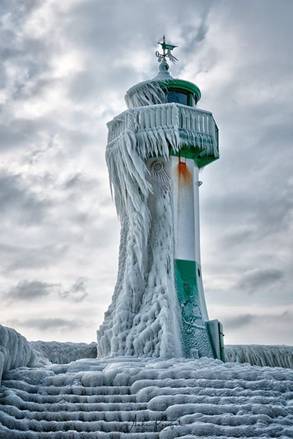
Lighthouses sometimes have to endure harsh weather
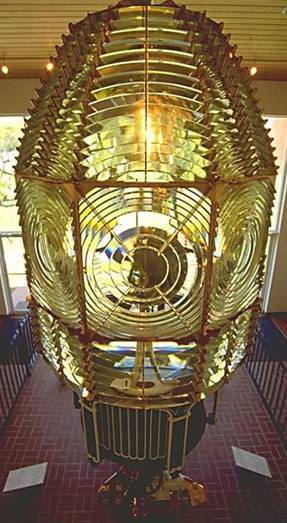
Optic Lens
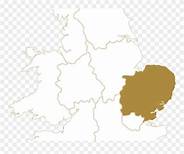
Harwich is in East Anglia
(Pronounced Harridge)
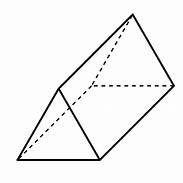
A prism
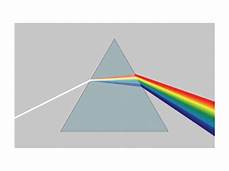
Prisms can alter the direction of light
This one has split a white light into its components
You can see the rainbow contained inside white light
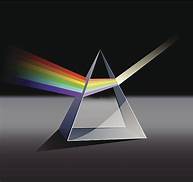
A spectrum (range) of light that is visible to human eyes
Other creatures like bees have different eyes
and see light differently

 THE SALTY SAM NEWS DESK

This week, Miss Pringle set the children in her class a task for homework.
She wanted them to make a collection of idioms that they heard in everyday life and bring them into class. Then they could ask the other children what they meant.
They should find out what they meant, and if the other children did not know, then they could teach them.
They might hear someone around them in their family or in a shop use an idiom or hear one on the television.
This is Bill and Bob’s list. Do you know what they mean?
- to do it at a stretch
- to have a chip on one’s shoulder
- the thin end of the wedge
- to jump the gun
- to scrape the barrel
- to have it in the bag
- to make a meal of something
- to have the bit between one’s teeth
- to steal someone’s thunder

*********************
*********************
 Quick Quiz
Can you workout what these games are?
- S _ _ p
- B _ n _ o
- S c _ _ _ _ _ e
- M o _ _ _ _ _ y
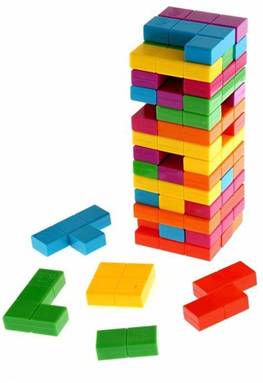
- S _ _ _ _ s and L _ _ _ _ _ s
- K _ _ P _ _ _ k
- J _ _ _ a
- C _ _ _ d o
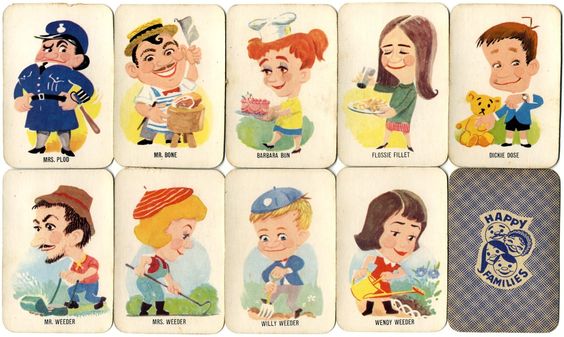
- H _ _ _ y F _ _ _ _ _ _ s

lt’s the Weekend!
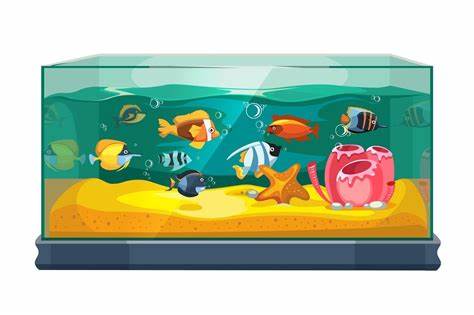
HOW TO MAKE A SHOE BOX FlSH TANK
You will need a shoe box and this will be tipped on its side.
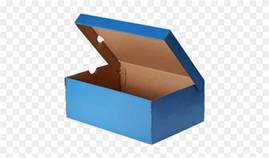
First, you need to put a picture in the base of your box to create a background.

Create a base to the tank with papier mache rocks or paint a sand colour onto the base.
Draw some fish and colour them in.

Tie them to the top of the tank using thread. Don’t have the fish too low down – they want to be hanging in mid-air.
Put loose pebbles or shells onto the base of the tank.

Cut the lid of the box into a frame and stretch a piece of clear plastic across the back.
If your plastic is not quite big enough then create a smaller peephole into the undersea scene!

Please note that the material on this blog is for personal use and for use in classrooms only.
It is a copyright infringement and, therefore, illegal under international law to sell items made with these patterns.
Use of the toys and projects is at your own risk.
©Christina Sinclair Designs 2015
Answers to the News Desk Quiz
- to do it at a stretch – to just about manage to get something to work out by making a big effort even though it was difficult to do
- to have a chip on one’s shoulder – to think circumstances or people are against you – feeling inferior to others
- the thin end of the wedge – the beginning of something bigger
- to jump the gun – to do something before you should
- to scrape the barrel – to manage to find what you need but it might be not quite up to the standard you might like
- to have it in the bag – to know something is successfully completed or you know it will be achieved
- to make a meal of something – to make more of doing something than you need to – to make a big fuss over something
- to have the bit between one’s teeth – to be raring to go – to be charging into a project (comes from a horse being bridled and ready to go off for a ride)
- to steal someone’s thunder – to take attention away from someone else – like if someone went to a wedding and wore a more beautiful dress than the bride
Quick Quiz Answers
- Snap
- Bingo
- Scrabble
- Monopoly
- Snakes and Ladders
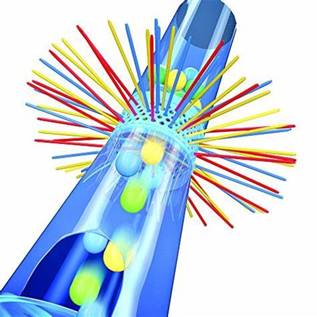
- KerPlunk
- Jenga
- Cluedo
- Happy Families